Most recent entries
- Is Your Dining Room Ready for the Holidays?
- Welcome Home: Easy Steps to Front Door Maintenance
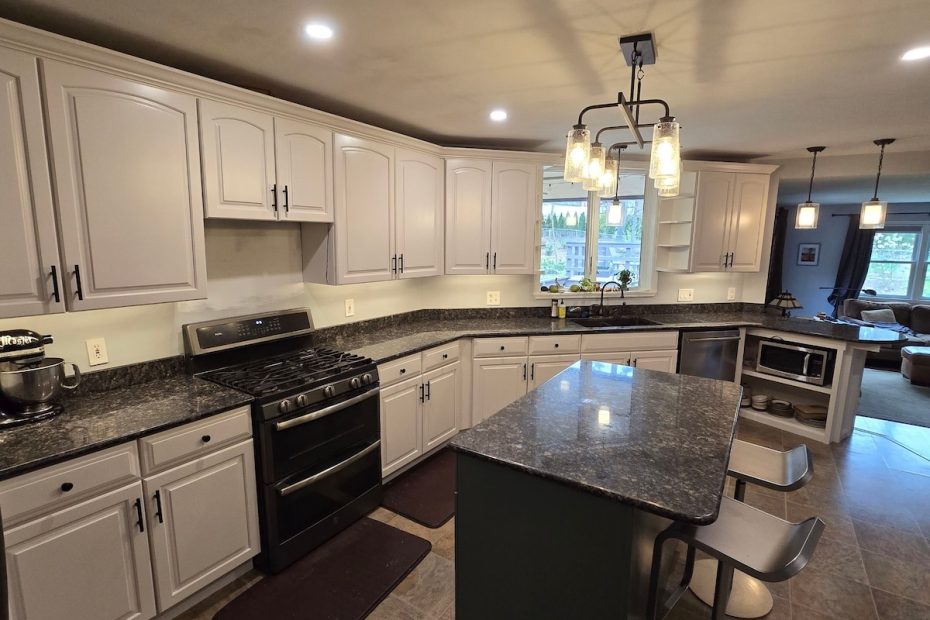
- 3 Easy Ways to Update Your Kitchen
- How to Make Your Bathroom Beautiful
- 4 Tips for Finding a Reputable Contractor
- 4 Popular Trends in Interior Painting
- How to Paint Crown Molding
- Should I Paint or Stain My Deck?
- How To Paint a Door
- Successful Kitchen Remodel Tips
- How to Use Metal Paint
- How To Successfully Touch-Up a Wall
- 4 Great Ways To Split Colors in a Room
- How Much Should I Spend On Paint?
- How to Get Rid of Extra Paint In your house
Wednesday, November 14, 2012
Is Your Dining Room Ready for the Holidays?
If you've been dreaming of updating your dining room before the family gathers there for the holidays, it's not too late to have it ready for this year's festivities. And doing so doesn't have to break the bank.
Here are four ideas for updating your dining room:
1. Change your color. If your dining room walls are still Autumn Harvest Gold, just like they were back in the '70s, it's time for a new coat of interior paint. Painting the walls of your dining room can instantly update the room without having to change a single piece of furniture or decor.
2. Add some wall paneling. Paneling has come a long way since the days of your grandmother's dining room. Modern wall paneling includes brick facades, natural textures and even 3D elements. Do the whole room or just one wall for a dramatic update.
3. Paper the room. If paneling sounds like too much of a change for you, maybe textured wallpaper or even a painted mural on one wall is more your speed. A good wallpaper doesn't haven't to be limited to one wall: If you find one that you love and fits your decor and personality, go for it and paper the whole dining room!
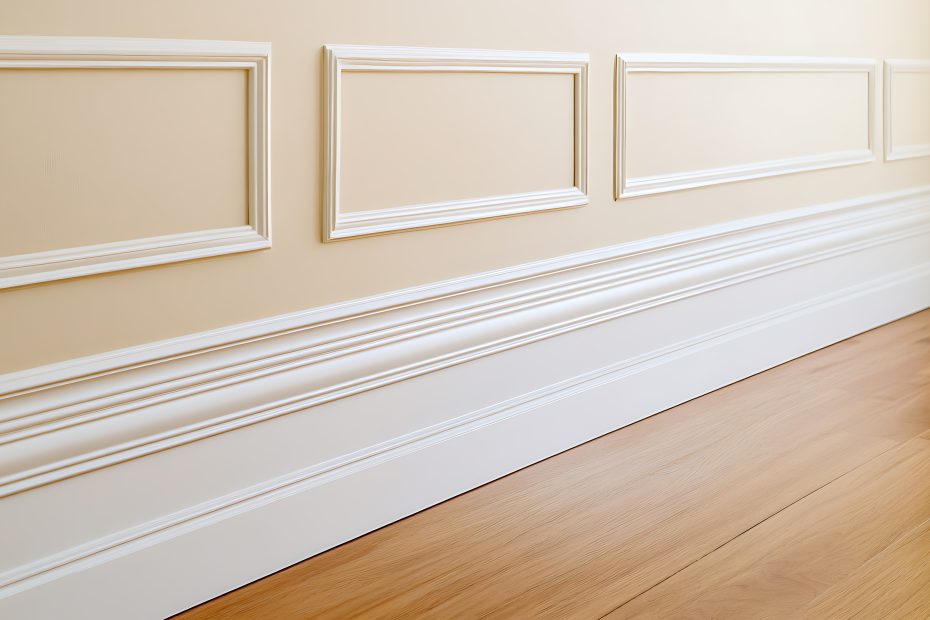
4. Add a chair rail. If you want to update your dining room but don't want to commit to completely changing the walls, perhaps you should considering the addition of chair rail. Chair rails instantly add class and sophistication to a room.
If you're ready to update your dining room and you'd like to do it before family and friends show up for holiday festivities, contact us today and let us know how we can help.
Friday, October 19, 2012
Welcome Home: Easy Steps to Front Door Maintenance
You may not pay much attention to your front door, but you should. It's the one piece of your home that welcomes visitors and sends them on their way. If your front door is stained or vanished, it may have seen better days.
"Nothing looks better than a new front door with a beautiful stained finish," says George J. Apap, president and owner of George Apap Painting. "The problem is in as little as one or two years, the finish can begin to deteriorate. Wait five years and that beautiful door can look so bad that you begin questioning everything made of wood."
We see it all the time.
Did you know that your front door probably came with a maintenance schedule to help keep it looking its best? Most homeowners don't. If your front door gets direct sunlight, it's probably deteriorating even faster.
"Many finishes quickly break down when exposed to UV light," Apap says. "Unfortunately usually by the time I get involved no one can remember where the door came from or what is on it. Actually the doors are usually so deteriorated that it wouldn't matter anyway. There is hope."
Apap recommends the following steps to keeping your front door looking great:
1. Strip and clean. Properly preparing the door before any new treatment is important. Doing so rids the door of any dirt and old stain residue, and readies it for its new look.
2. Stain. "There are many products on the market, but we have had the best luck with Sikkens door and window stain for most applications," Apap continues. "It comes in a variety of wood-tone colors and builds a rich durable finish that holds up to the elements."
3. Repeat regularly. "Remember to keep after it with a maintenance coat every two or three years and that door will look great all the time."
If you need help stripping and staining your front door, contact us at George Apap Painting, Inc. We're happy to make your front door the welcoming image of your home that it should be.
Tuesday, September 18, 2012
3 Easy Ways to Update Your Kitchen
The kitchen. Many consider it the heart of the home. It's a high-traffic room where friends and family gather and meals are shared. When was the last time you gave that special room a facelift?
No matter your budget, you can update your kitchen in a weekend or less, giving it a modern and more inviting look and feel.
For less than $1,000 you could easily retile your backspace. Whether your kitchen is '50s retro in Bridgeport, CT, modern in Greenwich, CT or industrial in Poughkeepsie, NY, tile work has come a long way. Your options are endless for this type of makeover.
Do you have $200 to dedicate to updating your kitchen? Consider installing new faucets. Faucets come in a variety of finishes and functions, no longer the old brass units that all home builders once used. Some even come on at the simple touch of your hand, no twisting or turn required.
Maybe you've got less than $100 to spend, but you'd still like to add a new, updated element to your kitchen. What about cabinet knobs? Replacing the old knobs on your kitchen cabinets can -- within mere minutes -- add a new splash of color and personality to the busiest room in your home.
No matter your budget, style or timeframe, George Apap Painting, Inc., is available to help update your kitchen. We stay on top of the latest trends in design, always training our skilled staff members on the latest in techniques and materials. Contact us today if you'd like more ideas on giving the heart of your home a makeover.
Monday, August 13, 2012
How to Make Your Bathroom Beautiful
Bathrooms are so often overlooked as an area to express our personalities. Yet look at what you can do! Transform your ordinary bathroom into an oasis... from modest to extraordinary … in Milford, CT to Yonkers, NY. . . the possibilities are endless.
Stripes:
Stripes can add dimension and interest to any room. In bathrooms, try horizontal stripes to elongate the often small space. Elevate the “ordinary” to “spectacular” by finishing the stripes in an iridescent glaze. This will make the stripes shimmer in certain light.
Bold Color:
Bathrooms are a great place to think out of the box. Have a color you love but aren't braven enough to showcase in larger rooms? The bathroom is the perfect place to put that bold color choice as it is a confined space.
Wallpaper:
Yes! Wallpaper lives on in this room. Try bold large prints and avoid borders and dated florals. For powder rooms, try grasscloth or other interesting textured papers to add dimension.
Paneling:
Another dated concept turned chic. For this look, go for rich gloss paneling or white washed and distressed. Try to avoid the stock, off the shelf wainscoting to avoid a dated look.
Have a decorating or design question for your home in Newburgh or White Plains, NY or Waterbury, CT? Call George Apap Painting at: 845-878-3444.
Thursday, June 28, 2012
4 Tips for Finding a Reputable Contractor
If you're looking to give your home a facelift -- whether in the form of new carpet, updated landscaping or a fresh coat of paint -- whether in Danbury or Norwalk, CT or Kingston, NY -- you'll want to find a contractor you can trust and depend on. Search for "area home painters" online and you're likely to find hundreds, maybe even thousands, of results. So how do you know if you're hiring the best?
Before hiring any contracting company, do your research, ask your friends, and make sure the company you choose to do business with has the following:
- Experience: It might be nice to be the first customer in line when a new bakery opens in the neighborhood, but when it comes to trusting your home in the hands of a stranger, you want longevity and experience. Find a contractor who knows the industry and area well -- one who has plenty of experience in the business.
- Recommendations: Love the new paint job on your neighbor's house in Mt. Vernon, NY? Ask for their recommendations on a contractor. Read reviews online. Visit the websites of contractors you're considering and read over customer testimonials.
- Insurance and Bonding: It's not a very exciting part of hiring a contractor, but you'll want to make sure they're insured and bonded for the work they're doing. Are they covered should anything happen while they're on your property? Are you?
- Knowledge: When hiring a contractor, you'll want to make sure they're on top of industry trends and news. At George Apap Painting, for example, we undergo monthly in-house training to stay up-to-date on the latest in style, materials and innovations.
Bottom line: Trust your gut and do your research. If you're looking for a paint contractor or have any questions about George Apap Painting services or qualifications, please feel free to contact us.
Thursday, May 17, 2012
4 Popular Trends in Interior Painting
Remember back in the late 1980s when everyone was "sponging" their walls? A wall was painted with a light shade of paint, then covered in a darker shade with a sponge so that the lighter shade came through. If you're Danbury, CT home was sponge-painted back in the '80s, it's probably time to consider a new look.
At George Apap Painting, we've been watching trends in home painting come and go for decades. We know that freshening up the interior walls of your home or office can add beauty, value and inspiration. With simply a bucket of paint and a weekend, you can bring your walls into the current century. Here are four hot trends in interior home painting to consider:
- Exposed brick. This technique is not for the faint of heart. If you're doing it yourself, it takes creativity, confidence, plaster and a trowel. The results are stunning through. In centuries past, buildings were often constructed with bricks on the inside walls that were then covered with plaster. When the plaster fell off, the bricks were exposed. You can recreate this historical feel in your own home with a faux brick treatment.
- Natural looks like stone and leaves. A faux-stone wall is the grown-up version of those old sponged walls. A sponge or rag technique is still used, but a stone pattern is created using a template, and a third paint color is used as an outline for each stone. For a leaf pattern on your walls, a thin layer of plaster is added to the wall, and leaves are pressed into the wet plaster to leave an imprint. The design and intensity are totally up to you.
- Tissue papering. Finally -- a use for all that tissue paper your grandmother has been saving. Tissue papering takes that old gift stuffing and turns it into texture for your walls. Wad the tissue paper up so that it gets wrinkled, and then flatten it back out. Stick it to your walls over a layer of wet paint, let it dry and then paint over it.
- Chalkboard paint. From a child's room and homework area to the pantry door, the possibilities for chalkboard paint in the home seem endless. Create a place to keep a grocery list. Write notes of encouragement to your children as they study for a big test. Or just give that creative kid a wall of their very own to draw on (rather than the clean eggshell-colored ones in the hallway).
- Trend bonus: Words to live by. Let's say you love the walls in your Mt. Vernon, NY home. Yes, even the sponge-painted ones from the late 1980s. Spruce them up and give them a modern look with wall decals. Self-adhesive wall decals with famous quotes by Dr. Seuss, Walt Disney and others are popping up in laundry rooms and living rooms alike. Wise words about family, love, laughter or faith can modernize a room in less than an hour -- no drop cloth required.
If you're not quite ready to take on the job of painting your interiors walls yourself, contact George Apap Inc. for a free consultation. Homeowners can contact us for interior painting advice or to schedule an appointment. Call at (845) 878-3444.
Friday, March 23, 2012
How to Paint Crown Molding
One area in which people are curious about painting techniques is their crown or wood trim molding. Below we will go over the most basic steps in any crown molding paint job.
Fill the Gaps
Before you begin painting, check to make sure that no gaps have formed between your molding and the wall. If there are any gaps that have formed, fill them in with an acrylic based caulk. After the caulk has dried and the gaps have been filled, you can move onto the next step.
Tape
While it is recommended you tape with most “do it yourself” paint projects, it is especially important when you are painting any sort of trim or crown molding. While professionals may not have to utilize much tape, it can be a challenging task if you don't paint often. The challenge lies in that when painting molding, you are typically dealing with a narrow strip of wood that rests closely to the wall or ceiling. To avoid any brushstrokes painting the walls or ceiling by mistake, use the standard blue painter's tape. You can find painter's tape in most home improvement stores. Speak with an associate at the store to make sure the painter's tape isn't super adhesive. You don't want to remove any paint with your tape. When dealing with walls, run a strip above the molding to protect the wall and a strip below the molding to protect your flooring. Run a strip above and below molding around your ceiling to likewise protect the ceiling and wall from any misplaced brushstrokes.
Paint
Once your molding has been filled and taped, you can finally move onto painting it. An angled brush, such as an angled sash brush, is a good brush to use for this type of project. Having the sharp edge of an angled brush will help make painting the narrow molding easier. Brush long, smooth strokes in one direction along the molding, and be sure to press out excess paint on the sides of your container as you paint. Gravity isn't your friend when painting molding along a ceiling. It is often recommended to apply two coats to molding. After you have applied your two coats, make sure there are no additional spots that need to be touched up further. Once your paint is near drying, go ahead and remove your painter's tape.
Practice applying painter's tape before you actually start applying paint. Once you have a feel for applying the tape you can begin your project.
Give us a call at (845) 878-3444 or contact us online to speak with a paint contractor for a free consultation.
Tuesday, March 13, 2012
Should I Paint or Stain My Deck?
When it comes to painting a house, you will make many tough decisions. One area that homeowners often struggle with is in deciding how to decorate high traffic areas. The deck of a home is one such area. Typically made of wood, decks are usually either painted or stained. Here are some things to consider while you are trying to decide how to get the most out of your deck.
Old or New?
A great way to decide how to decorate your deck is to assess the age and condition of the deck. Is the deck new or is it old and weathered? If you are dealing with a new deck you may want to consider using a stain if you want to bring out the natural beauty of the wood. Weathered wood doesn’t tend to benefit as much from staining. A great way to breathe new life into an old deck is with a fresh coat of paint. Think through your vision for the space and consider what option is best for the surface of your deck.
Upkeep
Either option you go with will require a certain amount of upkeep or maintenance. While staining a deck is a relatively easy process, it is often recommended that you reapply stain every 2-4 years. Paint, on the other hand, doesn’t require as much upkeep if it’s done right. Utilizing the correct primers and paints results in a deck that has a lower chance of chipping or peeling paint, high durability, and a lifespan of many years between new coats of paint. When staining a weathered deck, depending on the type of wood it has, you can restore most of the wood color by first using biodegradable cleaners and brighteners, followed by a stain. With the right chemicals, wood on a weathered deck can be brought back to life and look beautiful.
What Makes You Happy?
When it comes to your home, this is the most important question. Whether you prefer the simplicity of stains for your Bridgeport, CT home, and appreciate a stain's ability to bring out a wood’s natural beauty, or if you enjoy the creativity that using paint affords in your Norwalk, CT home, you need to go with what makes you happy.
Whether it’s interior or exterior painting, we here at George Apap Inc. would love to help you with your next project. We bring many years of expertise and our quality speaks for itself. If you feel we can be of assistance, contact one of our paint contractors for advice or a consultation.
Friday, February 10, 2012
How To Paint a Door
When it comes to painting your home, painting doors can seem like a tricky task. But, no matter the door, three basic steps will have you on your way to painting your door quickly and easily.
Tape
It is ideal to remove the doorknobs and to take a door off its hinges before painting. In the event that you don’t have that option, you will want to tape any hardware you don’t remove such as the doorknob or hinges. The blue painter’s tape that is found in home improvement stores is what you will want to use to make sure you don’t accidentally get paint on your door hardware.
Sand
If this is a new door in Yonkers, NY, or a previously painted door in White Plains, NY, you will want to lightly sand the surface of the door. The light abrasion caused by the sand paper will allow the new paint to adhere to the door better. Sandpaper around 220 grit is sufficient. After you have sanded, be sure to wipe down your door and remove any excess dust with a tack cloth. Avoid using a damp cloth as it could raise the grain of the wood.
Paint
The typical recommended order for painting a door is to paint the top and inside edges of the door first. Be mindful not to overload your brush with paint. Tapping, or lightly slapping your brush against the side of your paint container will help get rid of excess paint and prevent dripping. If you weren’t able to remove the door from the hinges or remove the doorknob, move to painting around your taped doorknobs and hinges next. With the difficult parts out of the way, you can now focus on painting the front surface of the door. If this is a paneled door, after painting the top and inside edges of your door focus on the panels. Paint the inside panels first and then work your way out painting the remainder of the door. For best results, paint with the grain of the wood for a nice even coating.
NOTE: If this is a brand new door you will want to make sure to prime and seal the tops and bottoms of the door and paint it off the hinges for the best possible results.
If this is your first time painting a door, paint the side of the door that faces the interior of the room first. By doing this, you’ll be able to practice on an area that is seen less frequently by guests. Once you are comfortable with the process, move on to the other side of the door.
If you need assistance with a painting project, we are always glad to share our professional opinion and expertise. Contact one of our paint contractors at George Apap Painting for advice or a consultation.
Friday, February 03, 2012
Successful Kitchen Remodel Tips
When you start thinking about doing a kitchen remodeling project in your Kingston, NY home, it is important to thoroughly plan ahead. Kitchen remodeling can take up to eight weeks to complete, so any neglected factors can contribute to a significant delay in the process. There are three key components that influence how smoothly a kitchen renovation project goes.
1. Design development
- Remodeling design plans need to be carefully developed with each detail considered in order for the project to be started. Once the basic design is planned, everything else should fall into place.
2. Materials
- As long as you plan ahead and allow time for materials to arrive, nothing should interfere with the kitchen remodeling. However, if you don’t consider the time it takes to order materials and schedule movers for the large items, it could set back the timing of the rest of the project.
3. Installation
- Depending on how the first two components are handled, the installation phase can go either smoothly or arduously. If the project was planned well, everything should fall neatly into place.
When you work with our Carpentry Services department, HPM, we plan and arrange the project diligently so that the installation phase works seamlessly. We strive to ensure that each project from Mount Kisco, NY to New Rochelle, NY, is done efficiently by presenting each aspect to the homeowner promptly so that all critical decisions can be made prior to the installation stage.
By taking this approach, we not only influence the timing of the project, but also the end result – a beautiful project with careful attention to the proper execution of the design.
If you want your Danbury, CT or Newburgh, NY kitchen beautifully remodeled by early Spring, Contact us online or call us now for a free estimate at 845-878-3444.
How to Use Metal Paint
Using metal paint is different than other paints, but if you utilize the “Three P’s” of using metal paints your project will turn out great.
- Prepare the area. If the surface of what you want to paint is peeling, the surface needs to be treated correctly. Prepare the surface with a solution of bleach and water. Remove any flaking or peeling paint with a scraper or wire brush.
- Primer. It’s important to prime before applying metal paint to a surface. Primer safeguards surfaces from future corrosion, with multiple coats further reinforcing and protecting the surface.
- Paint. Make sure the metal paint you use is a quality paint product. In this case, you get what you pay for. Applying coats of paint after the use of a primer will protect against future discoloration.
If this is your first time using metal paints, try priming and painting a practice object before taking on your main project. The more you can perfect the craft, the better your final project will end up.
If you have a big project involving metal paint, contact a professional or ask us for help from a trusted service provider. If it is a project we cannot help you with, we may be able to connect you with a trusted resource.
Friday, December 16, 2011
How To Successfully Touch-Up a Wall
It would seem that in order to "touch-up" a small spot on the wall, all you would need to do would be to paint over that spot. In actuality though, it takes more than just painting over the small area to efficiently and successfully “touch it up".
Unfortunately there is no extraordinarily easy way to touch up a spot on a wall. To fully cover up a spot to be virtually indistinguishable, you have to paint the wall from corner to corner, with the closest match possible to the original wall color.
Sometimes if you have the same can of paint you originally painted the wall with, you can touch-up a spot with it being fairly indistinct. However, often no matter how hard you try, you can’t entirely disguise a “touched-up” spot.
There are various reasons for simple “touch-ups” to be nearly impossible:
- The new spot will be cleaner than the old paint.
- The old paint may be faded.
- There may be a sheen difference due to wear and tear on the wall.
- The paint from the can may have aged, and/or may not match the wall texture when dry.
If you have the original paint and still want to try to simply paint a small area, be sure to use a roller rather than a brush. Also, try to feather the paint out by gradually releasing pressure on the roller toward the edge of the stroke until you lift it off the wall.
If you want to ensure that the wall in your Mt. Vernon, NY or Bridgeport, CT home is successfully touched up, repaint the entire wall surface from end to end. Or if you would like a free estimate from the most trusted painting company serving Westchester, Dutchess, Putnam and Fairfield counties, call George Apap Painting at (845) 878-3444. We would be happy to serve you.
Friday, November 04, 2011
4 Great Ways To Split Colors in a Room
While it is common to paint a room only one color, it can be tasteful to use multiple colors in a room for a unique appearance.
One of the most typical ways to split colors in a room is to use natural breaks such as a ceiling or corner, but here are some additional ideas for using different colors in a room:
1. Create an Accent Wall
- Painting an accent wall by using a color that either contrasts or coordinates with the main room color creates a nice focal point. If you use this method, make sure the wall you choose to paint differently is one you want to be accented (such as a wall with a mantle or fireplace).
2. Paint in Parallel
- To paint a room in parallel means painting the alternate surfaces of a room the same color. In a standard four-wall room this would mean that the opposite walls are the same color and the adjacent walls are different colors. Some painting professionals and designers use this technique to create a sense of movement in smaller rooms, such as a bedroom or study.
3. Use Chair Rail
- Using chair rail is a great way to split colors horizontally in a room. Generally you would use a darker color on the lower portion of the wall, and a neutral color on the top. This technique works best in the Dining Room or Kitchen.
4. Paint the Ceiling a Color Other than White
There are three basic options for color choices on your ceiling:
- Paint the ceiling a lighter shade of the wall color. This technique is good for shorter rooms since it tends to heighten a room.
- Paint the ceiling a darker shade of the wall color. This method is good for tall rooms since it visually lowers the ceiling.
- Paint the ceiling a different, coordinating color, making the ceiling a focal point.
One caution with painting the ceiling a non-white color is that a house can feel disjointed from room to room if the ceilings are different from each other. Therefore, we recommend consulting with a professional before painting the ceilings in your Poughkeepsie, NY or Milford, CT home.
George Apap Painting is the most trusted and dependable painting company in the counties of Westchester, Dutchess, Putnam and Fairfield. Schedule an estimate with us by calling 845-878-3444 or book an appointment online; it would be our pleasure to serve you.
Friday, September 30, 2011
How Much Should I Spend On Paint?
As the old saying goes, “you get what you pay for.” This statement especially holds true for buying paints. Professional house painters from Greenwich, CT to Kingston, NY agree that the cost of paint is directly related to the quality of the paint. When buying paint, the most expensive paint is almost always the best quality.
Paint can range in price anywhere from $18 to $70 dollars per gallon. Someone might wonder, why would anyone pay for the premium products when they are more than triple the price? The answer is simple: the premium products perform far better than cheap products and last up to twice as long. Many of the premium paints also are more forgiving, meaning they are easier to keep clean in your Mamaroneck, NY or Stamford, CT home.
When buying paint, it doesn’t save money long-term to buy the less expensive products. In the painting process, paint is only a small percentage of a whole project cost, (typically 10-15%) so it is definitely worth investing a little more in quality paint.
After considering these facts, essentially it is up to the buyer how much he wants to spend on paint. Although every buyer from Mt. Vernon, NY to Waterbury, CT should know that the better quality the paint, the longer it will last.
George Apap Painting is located in Patterson, NY and serves the Westchester, Fairfield, Dutchess and Putnam Counties. We will also work in New York City. Give us a call if you have any questions or if you would like to schedule a free estimate.
Tuesday, August 23, 2011
How to Get Rid of Extra Paint In your house
Do you have some old paint you would like to get rid of? You can donate your unused cans of paint to a charity, such as Habitat for Humanity, which serves New Rochelle and Mt. Vernon in Westchester County; Stamford, Bridgeport and Stratford in Fairfield County; Dutchess County, who most vibrant volunteer activity is in Poughkeepsie; and areas in Putnam County. You can also simply dry and throw away your Acrylic and Latex paints with your regular garbage. Oil or Alkyd-based paint must be disposed of at your local Hazardous Waste Disposal facility, or on the Hazardous Waste pick-up day which normally happens one or two times per year.
Now, drying out your Latex paints just by taking off the lids and letting it sit out is far too time-consuming, and potentially hazardous. Here are a couple of safe ways to dry out your paint:
- Add some kitty litter or sawdust into the paint and stir it around.
- Get some paint hardener and mix it into the can.
- Get out some of your old cardboard storage boxes, flatten them and then pour the paint onto the boxes and let them dry outside. After they’re dry, you can just throw away or recycle the flattened boxes.
If you have any other questions regarding paint disposal in areas from Waterbury, CT to Mamaroneck, NY, any of our painting contractors would be happy to help you. Give us a call at 845-878-3444.